
Environmental Protection
Protecting the Natural Landscape of Lanark
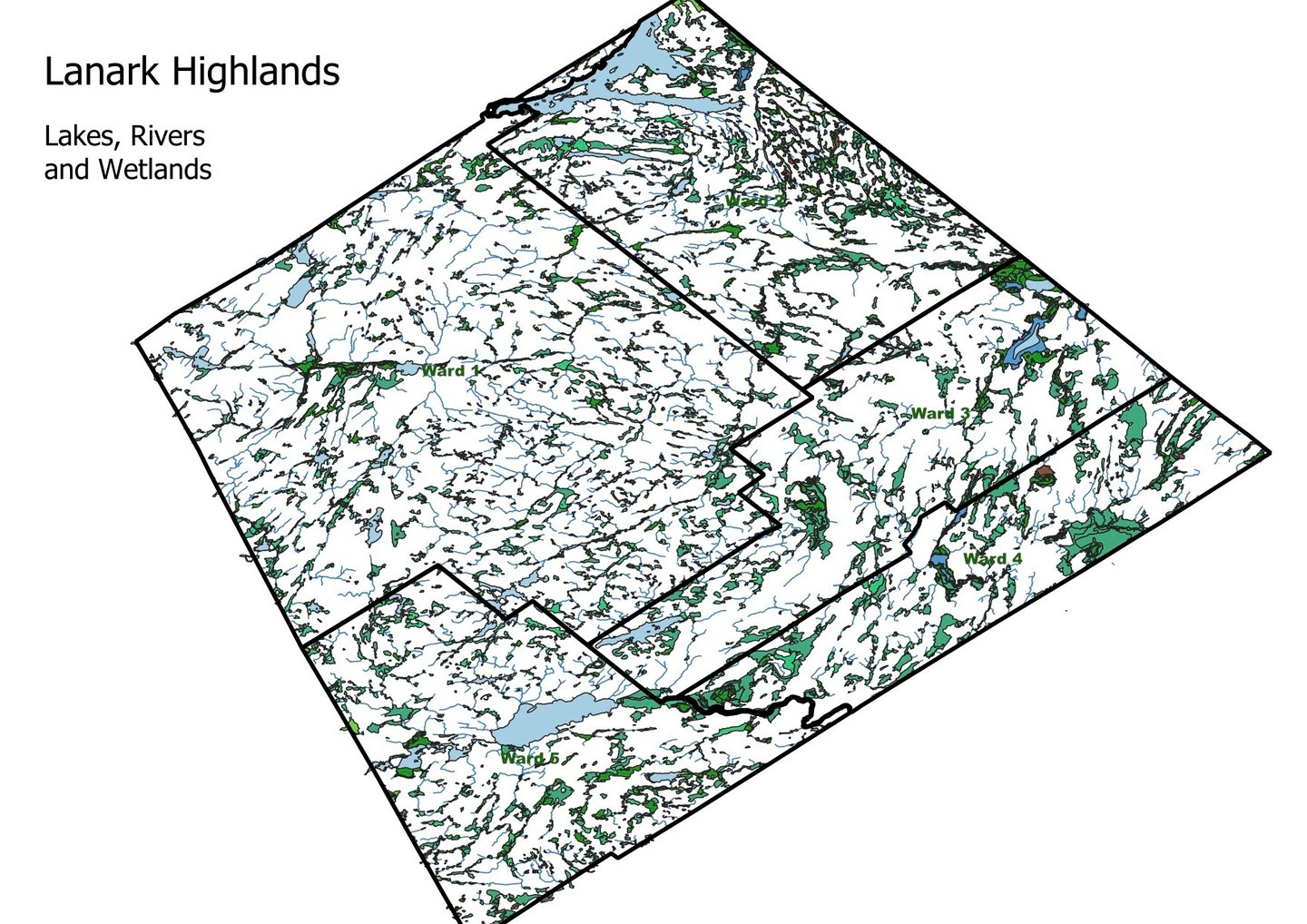
Lanark Highlands is defined by its diverse and valuable natural landscape. From forests and wetlands to lakes, farmland, and rural communities, the environment shapes how people live, work, and connect to this region.
These natural features are not only environmental assets—they are essential to the Township’s economy, recreation, and quality of life. Protecting them is a shared responsibility that ensures Lanark Highlands remains strong and sustainable for future generations.
Our Responsibility
Lanark Highlands is home to a unique and sensitive natural environment, including:
Extensive forests and wetlands
Numerous lakes and ponds
Headwaters and high-quality groundwater systems
Thin, rocky soils in many areas
Glacial deposits
Productive agricultural land
Mixed-use rural properties
Low-density rural development pattern
These features support:
Tourism and recreation
Sustainable agriculture
Local economic development
A high quality of life for residents
The stewardship of these lands cannot be underestimated. Protecting the environment means protecting the foundation of the community—both today and for generations to come.
Addressing Growing Environmental Pressures
Water and Aquifer Protection
Many residents rely on private wells and groundwater systems. When these systems are compromised, it can lead to health risks and increased costs.
Aggregate Extraction (Pits & Quarries)
Ongoing pressure for new or expanded operations can impact groundwater, wetlands, and surrounding communities, while also raising concerns around traffic, noise, and long-term land rehabilitation.
Climate Change
More frequent and extreme weather events can increase infrastructure strain and maintenance costs, placing additional pressure on municipal budgets and taxpayers.
Wetlands & Biodiversity Protection
Wetlands support diverse ecosystems and wildlife. Protecting biodiversity is essential to maintaining healthy natural systems that benefit the entire community.
Lanark Highlands faces several important environmental challenges that require careful planning and responsible decision-making.
Using Data to Support Environmental Stewardship
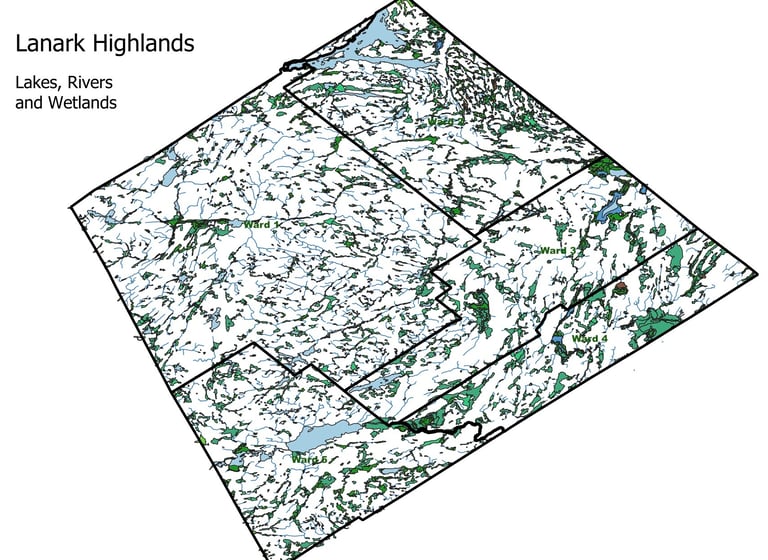
With a background in Geographic Information Systems (GIS), Frank understands how mapping and geographic data can strengthen environmental decision-making.
GIS is a low-cost, high-impact tool that is currently under-utilized at both the Township and County levels. When used effectively, it can help:
Identify high-risk groundwater zones
Map conflicts between development and sensitive ecosystems
Assess environmental impacts of proposed projects
Support evidence-based council decisions
Improve transparency by providing clear, visual information to residents
Using data in this way allows both council and the community to better understand how decisions impact the land, water, and environment.
Doing Better for the Future
Frank believes Lanark Highlands can take a stronger, more proactive approach to environmental stewardship.
This includes:
Protecting land to safeguard water systems and environmental health
Supporting local agriculture, including farming, maple operations, and livestock
Strengthening local food systems to build community resilience
Using smarter zoning and buffer planning to prevent land-use conflicts
By improving how land-use decisions are made today, the Township can reduce future risks and better protect its natural assets.
Looking Ahead
The future of Lanark Highlands depends on responsible environmental stewardship. By combining strong data, thoughtful planning, and community awareness, the Township can continue to protect its lakes, forests, farmland, and natural systems.
Protecting the environment means protecting the future of our community.
Connect
Questions? Comments? Reach out anytime.
© 2026. All rights reserved.
Designed by Stationhouse Studio
Local photography by Liana Sodonis
Phone
613-879-3622